by Yoanda C Stallings
The Choreographic Coding Lab (CCL) set up a Motion Bank format offers exchanges and collaboration for digital media artists who are interested in translating aspects of choreography and dance into digital form and apply choreographic thinking to their own practice. Motion Bank is supported by NODE initiated a unique event series that brings together digital artists and the contemporary dance and performance field. The CCLs are an outcome of the four research project of The Forsythe Company focused on the creation of online digital scores with guest choreographers.
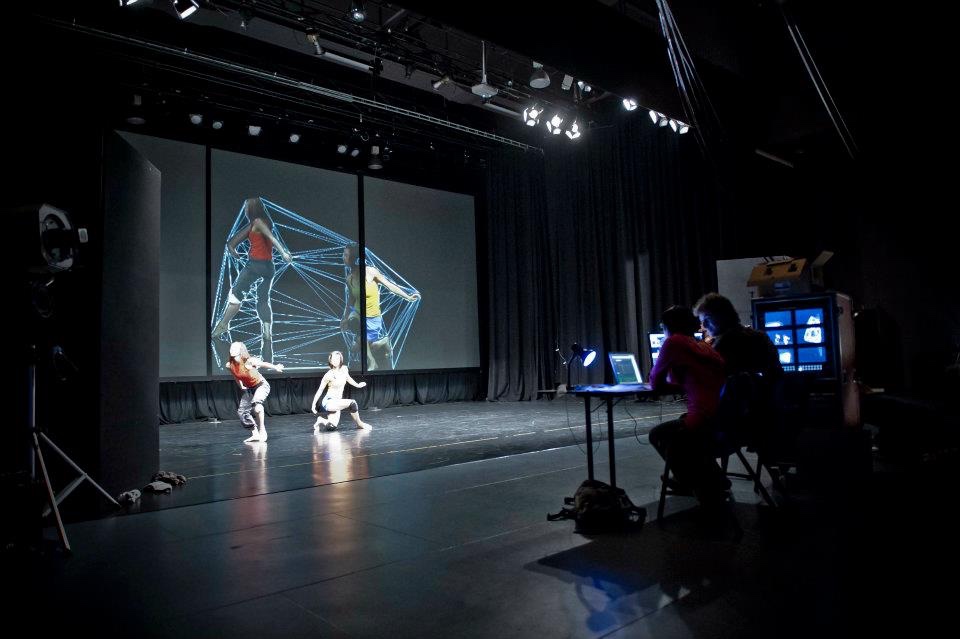
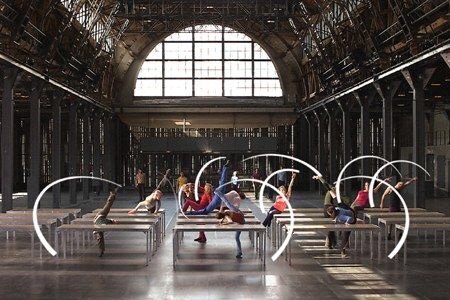
What is dance? An art form or not, that moves rhythmically to music, sounds, body is usually trained in sequence of movement. The movements can have aesthetic and symbolic value to it. What is technology?

A steam turbine with the case opened. Such turbines produce most of the electricity used today. Electricity consumption and living standards are highly correlated.[1] Electrification is believed to be the most important engineering achievement of the 20th century.
Technology (“science of craft”, from Greekτέχνη, techne, “art, skill, cunning of hand”; and -λογία, -logia[2]) is the collection of techniques, skills, methods, and processesused in the production of goods or services or in the accomplishment of objectives, such as scientific investigation. Technology can be the knowledge of techniques, processes, and the like, or it can be embedded in machines to allow for operation without detailed knowledge of their workings. Systems (e. g. machines) applying technology by taking an input, changing it according to the system’s use, and then producing an outcome are referred to as technology systems or technological systems.
Dance Technology
There are tech tools that are used to endure that dance performance is performed at it’s best through digitized dance notation, e-traces, virtual reality, and motion bank format.
Digitized Dance Notation
Digital choreography programs like Dance Designer allow choreographers to choose and connect pre-recorded stock movements. Or, you can create your own unique 3D steps with The Motion Bank, a data collection company that uses Microsoft Kinect and motion tracking technology to record dancers’ movements and generate an archived “movement library.
New technologies like virtual reality and social media are opening up new ways of presenting and interacting with dancers, creators and performances. It is definitely an exciting and interesting time for the art-form and choreographer and former Birmingham Royal Ballet dancer Alexander Whitley, is pioneering the tech dance space with the launch of a dance virtual reality (VR) App.

Alexander Whitley and Natalie Allen in Pattern. Photo by Tristram Kenton
In this podcast episode, Alex explains how VR and dance work together and how audiences can see and experience his piece ‘Celestial Motion’ in a new and interactive way. Put on a VR headset and you can be on stage, you can look 360 degrees and get up close to the dancers.
Celestial Motion was adapted by Alex from his original stage production 8 Minutes, which received rave reviews when the piece premiered last year.

E-traces
Footwear That Captures Your Every Step
What if a ballerina’s slippers could help capture her very movements? Motion-tracking “E-Traces” are slippers that feature a small electronic device attached to the bottom of a dancer’s shoe. The chip records a foot’s pressure and movement, allowing the dancer to effectively “draw” their actions in a pattern of data strokes that are then sent to a mobile app program for editing. Dancers can then use the app to interpret their movement, compare rehearsals and performances, and make corrections. The only downside: The E-trace is visible against a pink shoe, which makes it evident during performances. These computer-assisted devices help in the creation of choreographies.
 Yolanda’s Blogs