by Yolanda C Stallings

Hi Neurodegeneration sounds ominous doesn’t it, well it is. It is characterized by the degeneration of cells in the nervous system and neurons in the brain. There are two words “neuro” means nerve cells and degenerative mean progressive damage it is the process of losing structure or function. Neurodegenerative disease corresponds to the pathological condition that is affecting the neurons. My mother was 97 years old and she passed away on July 20th, 2019 she was a breast cancer survivor, but not for the disease Dementia. There are hundreds of neurodegenerative disorders but the most
common diseases are Alzheimer’s disease (AD) Parkinston disease (PD), Huntington disease (HD), and Amyotrophic Lateral om (ALS). Alzheimer and Dementia combined affect 7.5 million in the United States of the elderly population. Currently, there are no cures for Alzheimer and Dementia. However, there are ongoing clinical trails of treatments to combat the loss of cognitive function and research on neurodegenerative diseases.
Stem Cells
What are stem cells? They are cells that can differentiate into other types of cells. It is a process where a cell changes from on cell type to another. Stem cells differentiate into tissue types such as nervous cells, blood cells, bone cells etc. Stem cells can also divide and self-renewal creating new stem cells.

Stem Cell Technology
A developing field that combines various cell biologists, geneticist and clinicians, creating effective treatments for numerous malignant and non-malignant diseases.
Mesenchymal Stem Cell
Mesenchymal stem cells (MSCs) are advantageous over other stem cells types for a variety of reasons. First, they avoid the ethical issues that surround embryonic stem cell research.
Second, repeated studies have found MSCs to be immuno-privileged, which make them an advantageous cell type for allogeneic transplantation. MSCs reduce both the risks of rejection and complications of transplantation.
Third, there have been advances in the use of umbilical cord mesenchymal stem cells to regenerate human tissues, including cartilage, meniscus, tendons, and bone fractures, because MSCs can exert regenerative effects through homing to sites of damage, paracrine signaling, regulating immune responses, and positively affecting the micro-environment. As of 2019 ten of MSC-based products have received regulatory approval, including nine cell therapy approvals, and one tissue engineering approval.
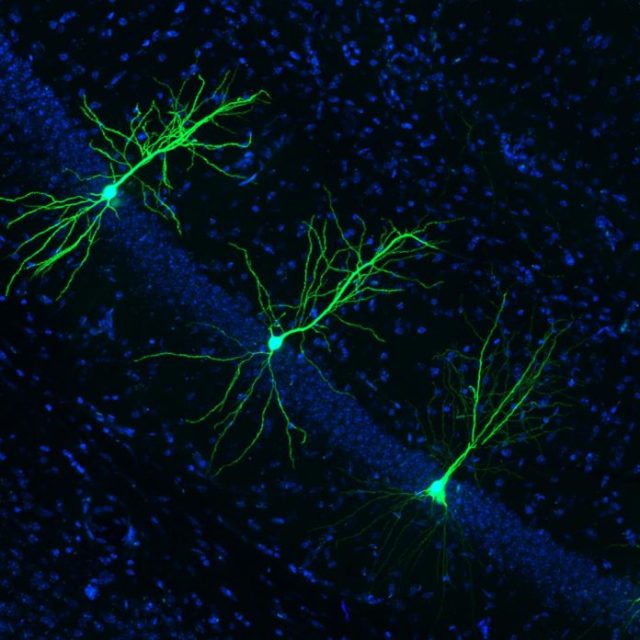
An enzyme becomes an object for anticancer experimental drugs may also represent a novel target for Alzheimer disease (AD), according to scientists at the University of Alabama at Birmingham (UAB) School of Medicine. Their in vitro experiments and studies with mice found that inhibiting the serine/threonine kinase LIMK1 (LIM domain kinase isoform 1) protects nerve cell dendritic spines, the progressive loss of which is linked with cognitive decline in neurodegenerative disorders such as AD.
“In this study, we were able to provide a protective effect to the dendritic spines utilizing an experimental drug that inhibited the activity of LIMK1,” said Jeremy Herskowitz, Ph.D., an assistant professor in the department of neurology, School of Medicine at (UAB). “The drug had remarkable effects on the dendritic spines, results that we feel are significant and promising. We observed no adverse side effects.”https://www.genengnews.com/news/anticancer-drug-candidate-inhibits-novel-alzheimer’s-disease-target-to-protect-neurons/
 Yolanda’s Blogs