by Yolanda C Stallings
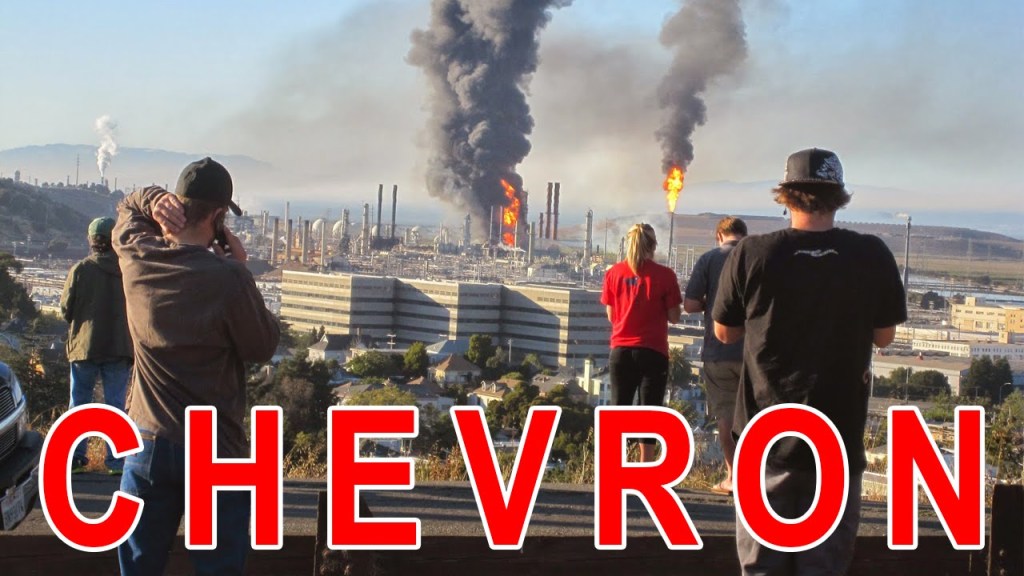
My personal experiences with Richmond, California stems from seven years of living with the air smelling like rotten eggs, constant dealings with asthma, coughs, and hazy fog from the year 1963-1970. I lived just 11 minutes away from this massive petroleum plant. Environmental racism existence is here and now. When industries and government supports policies and development of large industrial corporations leading to ecological destruction of surrounding communities of color, air, water, and land. They are resulting in chronic health issues such as cancer, asthma, lung disease, eye irritation, and congenital disorders in which many low-income families can’t afford to pay for healthcare because of their low-income status. These are issues of environmental injustice.
Stories of Environmental Injustice
Betty Reid Soskin 93 years old, moved to the Bay Area with her family when she was eight years old. She lectured on the African American experience in World War II at the National Historical Park; Rosie the Riveter Project in Richmond. She said, “Real estate developers could determine where you lived.” “The local bank could determine who could get a mortgage.” ”The social policy determines history.” ”We have developed sensitivities to environmental injustice, and those sensitivities did not exist during my time.”
“The pattern of neglect continues today,” said Rev. Kenneth Davis who used to come to North Richmond to visit friends and blue clubs. “It’s like we’re living on an island.” Davis said.”There are no grocery stores to get fresh fruit and vegetables and meat.” ”The only things to buy are drinks and dope.” “They’re nothing but old, mostly rotten food on the shelves, and plenty of beer, wine, and whiskey.”Davis, who moved to a senior apartment in North Richmond in 2006 said, he could see the refinery from his window and blames Chevron and other industrial companies for his chronic cough since moving here.” ”Pastor Davis thinks that there is a correlation between poverty, pollution, and the violence of crime plaguing the community.”
Sandy Saeteurn from Laos, came to Richmond when she was three years old with her mom, five sisters, and two brothers. Her family was a wave of new immigrants that came to the Bay Area in the wary ’80s. “I remember that once coming out to the playground being overwhelmed with smoke.” The air was so awful, a strong gassy smell and you could not see a couple of feet in front of you.” “We were all coughing,” said Saeteurn, now 27 and community organizer. “The teachers gave paper napkins to cover our nose and mouths.” They loaded us on school buses, and we drove around until it was safe to return to school.” “When we returned, our parents were waiting for us.”
Environmental Discrimination
Environmental discrimination and racism are considered one issue of environmental injustice. It can be waste management or highly polluted sites dump and landfills in communities of color. Another excellent example of ecological discrimination is the placement of harmful refineries, mills, and other plants exposing the population of human life to life treating toxicity. Many African Americans, Latinos, and Hispanic communities become a higher risk for cancer, asthma, cardiovascular and respiratory diseases, and congenital disabilities. These are the same communities that have overtones of stress, poverty, unemployment, inadequate healthcare, and access to healthy food. Many large corporations such as Chevron believe that people of poor communities don’t have the means to fight against them.Environmental Justice Coalition
The West County Toxics Colation, founded in 1987, with Henry Clark as Executive Director, has been one of Richmond’s most influential environmental and social justice organization. The WCTC were very successful in their campaign to protect Richmond from toxicity. They were able to pressure city agencies to abandon a plan to build a waste to energy incinerator near North Richmond’s Verde Elementary School. https://www.westcountytoxicscoalition.org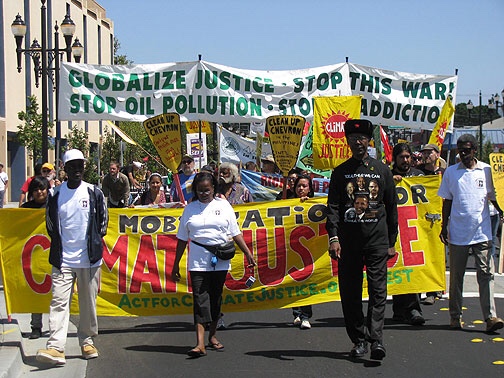
Henry Clark; Executive Director (WCTC) Environmental Activist
Henry Clark was born and raised in North Richmond. As a child he remembers seeing from his backyard, Chevron Refinery excessive smoke flumes pouring out from refinery, and when he went outside to play, he would find tons of leaves on trees burnt to a crisp. “Sometimes I’d see the air so foul; I’d have to grab my nose and run back into my house until it cleared up.
https://www.scientificamerica.com/article/pollution-poverty-people-color-living-industry/
Chevron Refinery
For 118 years people have living and working on and surrounding areas of Chevron Refinery. It processes 240,000 crude oil, a day. The refinery stands near the San Francisco Bay and marshlands. Currently, it has 1,200 employees.
 Yolanda’s Blogs