Be yourself; Everyone else is already taken.
— Oscar Wilde.
This is the first post on my new blog. I’m just getting this new blog going, so stay tuned for more. Subscribe below to get notified when I post new updates.
Natural Health, Yoga gear, Hearing aids, and Financial Services- Forex Trading
Be yourself; Everyone else is already taken.
— Oscar Wilde.
This is the first post on my new blog. I’m just getting this new blog going, so stay tuned for more. Subscribe below to get notified when I post new updates.
by Yoanda C Stallings
The Choreographic Coding Lab (CCL) set up a Motion Bank format offers exchanges and collaboration for digital media artists who are interested in translating aspects of choreography and dance into digital form and apply choreographic thinking to their own practice. Motion Bank is supported by NODE initiated a unique event series that brings together digital artists and the contemporary dance and performance field. The CCLs are an outcome of the four research project of The Forsythe Company focused on the creation of online digital scores with guest choreographers.
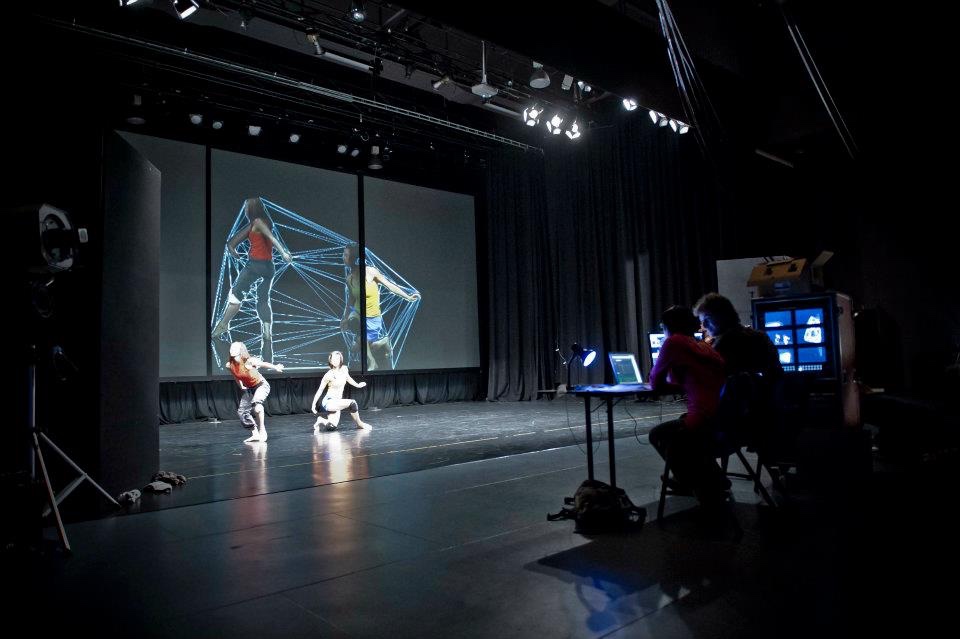
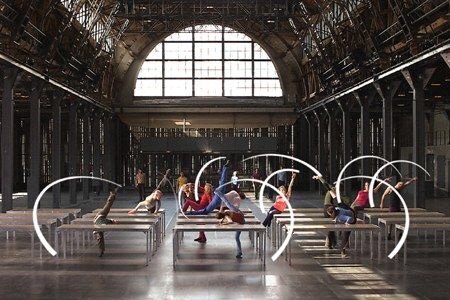
What is dance? An art form or not, that moves rhythmically to music, sounds, body is usually trained in sequence of movement. The movements can have aesthetic and symbolic value to it. What is technology?

A steam turbine with the case opened. Such turbines produce most of the electricity used today. Electricity consumption and living standards are highly correlated.[1] Electrification is believed to be the most important engineering achievement of the 20th century.
Technology (“science of craft”, from Greekτέχνη, techne, “art, skill, cunning of hand”; and -λογία, -logia[2]) is the collection of techniques, skills, methods, and processesused in the production of goods or services or in the accomplishment of objectives, such as scientific investigation. Technology can be the knowledge of techniques, processes, and the like, or it can be embedded in machines to allow for operation without detailed knowledge of their workings. Systems (e. g. machines) applying technology by taking an input, changing it according to the system’s use, and then producing an outcome are referred to as technology systems or technological systems.
Dance Technology
There are tech tools that are used to endure that dance performance is performed at it’s best through digitized dance notation, e-traces, virtual reality, and motion bank format.
Digitized Dance Notation
Digital choreography programs like Dance Designer allow choreographers to choose and connect pre-recorded stock movements. Or, you can create your own unique 3D steps with The Motion Bank, a data collection company that uses Microsoft Kinect and motion tracking technology to record dancers’ movements and generate an archived “movement library.
New technologies like virtual reality and social media are opening up new ways of presenting and interacting with dancers, creators and performances. It is definitely an exciting and interesting time for the art-form and choreographer and former Birmingham Royal Ballet dancer Alexander Whitley, is pioneering the tech dance space with the launch of a dance virtual reality (VR) App.

Alexander Whitley and Natalie Allen in Pattern. Photo by Tristram Kenton
In this podcast episode, Alex explains how VR and dance work together and how audiences can see and experience his piece ‘Celestial Motion’ in a new and interactive way. Put on a VR headset and you can be on stage, you can look 360 degrees and get up close to the dancers.
Celestial Motion was adapted by Alex from his original stage production 8 Minutes, which received rave reviews when the piece premiered last year.

E-traces
Footwear That Captures Your Every Step
What if a ballerina’s slippers could help capture her very movements? Motion-tracking “E-Traces” are slippers that feature a small electronic device attached to the bottom of a dancer’s shoe. The chip records a foot’s pressure and movement, allowing the dancer to effectively “draw” their actions in a pattern of data strokes that are then sent to a mobile app program for editing. Dancers can then use the app to interpret their movement, compare rehearsals and performances, and make corrections. The only downside: The E-trace is visible against a pink shoe, which makes it evident during performances. These computer-assisted devices help in the creation of choreographies.
by Yolanda C Stallings

My personal experiences with Richmond, California stems from seven years of living with the air smelling like rotten eggs, constant dealings with asthma, coughs, and hazy fog from the year 1963-1970. I lived just 11 minutes away from this massive petroleum plant. Environmental racism existence is here and now. When industries and government supports policies and development of large industrial corporations leading to ecological destruction of surrounding communities of color, air, water, and land. They are resulting in chronic health issues such as cancer, asthma, lung disease, eye irritation, and congenital disorders in which many low-income families can’t afford to pay for healthcare because of their low-income status. These are issues of environmental injustice.
Betty Reid Soskin 93 years old, moved to the Bay Area with her family when she was eight years old. She lectured on the African American experience in World War II at the National Historical Park; Rosie the Riveter Project in Richmond. She said, “Real estate developers could determine where you lived.” “The local bank could determine who could get a mortgage.” ”The social policy determines history.” ”We have developed sensitivities to environmental injustice, and those sensitivities did not exist during my time.”
“The pattern of neglect continues today,” said Rev. Kenneth Davis who used to come to North Richmond to visit friends and blue clubs. “It’s like we’re living on an island.” Davis said.”There are no grocery stores to get fresh fruit and vegetables and meat.” ”The only things to buy are drinks and dope.” “They’re nothing but old, mostly rotten food on the shelves, and plenty of beer, wine, and whiskey.”Davis, who moved to a senior apartment in North Richmond in 2006 said, he could see the refinery from his window and blames Chevron and other industrial companies for his chronic cough since moving here.” ”Pastor Davis thinks that there is a correlation between poverty, pollution, and the violence of crime plaguing the community.”
Sandy Saeteurn from Laos, came to Richmond when she was three years old with her mom, five sisters, and two brothers. Her family was a wave of new immigrants that came to the Bay Area in the wary ’80s. “I remember that once coming out to the playground being overwhelmed with smoke.” The air was so awful, a strong gassy smell and you could not see a couple of feet in front of you.” “We were all coughing,” said Saeteurn, now 27 and community organizer. “The teachers gave paper napkins to cover our nose and mouths.” They loaded us on school buses, and we drove around until it was safe to return to school.” “When we returned, our parents were waiting for us.”
The West County Toxics Colation, founded in 1987, with Henry Clark as Executive Director, has been one of Richmond’s most influential environmental and social justice organization. The WCTC were very successful in their campaign to protect Richmond from toxicity. They were able to pressure city agencies to abandon a plan to build a waste to energy incinerator near North Richmond’s Verde Elementary School. https://www.westcountytoxicscoalition.org
Henry Clark; Executive Director (WCTC) Environmental Activist
Henry Clark was born and raised in North Richmond. As a child he remembers seeing from his backyard, Chevron Refinery excessive smoke flumes pouring out from refinery, and when he went outside to play, he would find tons of leaves on trees burnt to a crisp. “Sometimes I’d see the air so foul; I’d have to grab my nose and run back into my house until it cleared up.
https://www.scientificamerica.com/article/pollution-poverty-people-color-living-industry/
For 118 years people have living and working on and surrounding areas of Chevron Refinery. It processes 240,000 crude oil, a day. The refinery stands near the San Francisco Bay and marshlands. Currently, it has 1,200 employees.
As a Montessori educator, I feel that the Montessori approach to reading is the best method for young pre-K and kindergarten level students. It uses a distinct set of practices that nurture a positive, natural learning experience to teach reading and writing. Here are a few of the steps in the sequence used in a Montessori environment to ensure that children master literacy with joy. Children in a Montessori environment learn to write first before they learn to read. This approach is organic, as children can put the letters for the sounds they know together into a word before they are ready to interpret and string together the sounds of a word on a page. Children begin learning the letter sounds using sandpaper letters, which incorporate the sense of touch to reinforce learning further. While the child learns the letter sound, they trace the letter with their fingers on textured sandpaper, learning the strokes used eventually to write that letter on paper. The classroom is prepared to fit the needs of the child, such as small chairs, tables, and age-appropriate activities. The curriculum is usually in five areas: Practical life, mathematics, language, sensorial, zoology, botany.
Montessori is a method of education based on self-directed activity, hands-on learning, and collaborative play. In Montessori classrooms, children make creative choices in their knowledge, while the highly trained teacher offer age-appropriate activities to guide the process.
For nearly one hundred years Montessori educators continuously see this phenomenon found in young children world-wide. The sensitive years; it was first identified by Dr. Maria Montessori an Italian physician, educator who was best known for her philosophy of education, and writing on scientific pedagogy. The sensitive periods are stages in a child’s learning. These are stages in which the child is open to acquiring certain skills. From the period of 0-3 years the child unconsciously gathers impressions from his environment. These skills usually take form of survival, and independence. During the stage 3-6 the child consciously seek ways to give order or create a system for those prior experiences of knowledge that was gathered unconsciously.
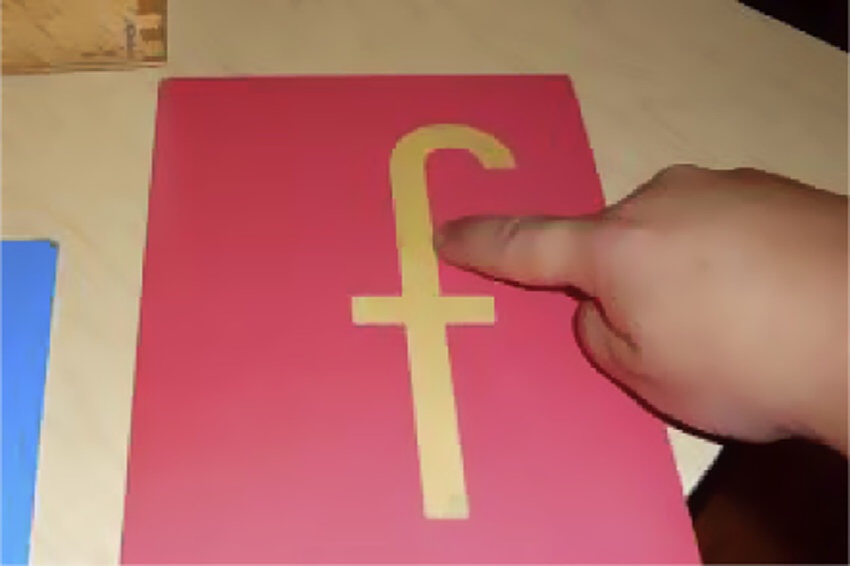
The Montessori approach to reading is to teach young preschool the sounds of the letters before writing and memorization. Children at infancy learned through sounds that why children should be read too, starting from birth to six years of age. Phonics is a method to teach young children to learn the letters of the alphabet by using sandpaper letters. The child will hold a sandpaper board in her hand, tracing the letter b, repeating with her pointer finger three times. At this time, the child will sound the letter out, such as the letter b (bah) phonically.
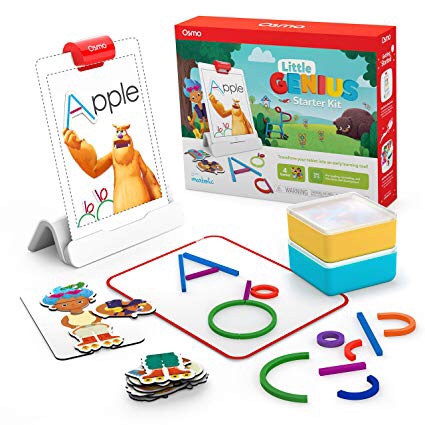
Many of the high tech software used today can help with reading skills as a supplemental tool along with regular studies. Omos: Little Genius Starter kit is a digital software for children between 3-5 compatible with any iPads, tablet, and iPhones. The games expose children to the digital world. Help identify letters, phonically associate the sounds to the notes, decode messages into words such as a bat, cat, and mat. This kit enforces and lays the foundation for early literacy. Also, it helps the teacher in creating interests and self-motivation for young children. The kit comes with 38 colorful silicone sticks and rings, 19 costume pieces, stackable storage containers, and silicone play mat. They can build letters with squishy sticks and circles. Pre-schoolers will love the hands-on manipulatives. It helps build vocabulary up to 300 words with mo the monster. How can you beat this type of artificial intelligence advance learning system on an iPad? As technology excels in the 21st century, we must do not forget that going to the library with your child to check out library book will instill in your child the importance of books.. Visual literacy in children’s picture book will help young children to think about, what they see, and guide them toward becoming media-savvy in real life. Visual literacy means being able to read, understand, and create visual texts. Omos: Little Genius Starter Kit help build confidence, skills and a love for reading.
by Yolanda C Stallings
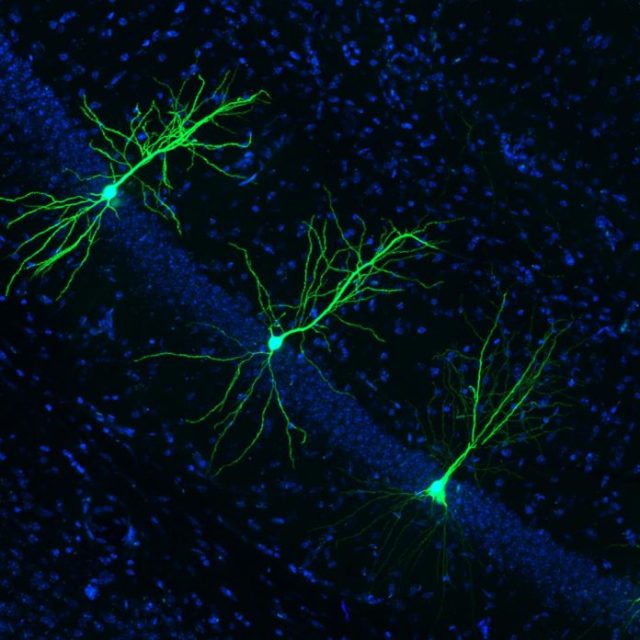
Hi Neurodegeneration sounds ominous doesn’t it, well it is. It is characterized by the degeneration of cells in the nervous system and neurons in the brain. There are two words “neuro” means nerve cells and degenerative mean progressive damage it is the process of losing structure or function. Neurodegenerative disease corresponds to the pathological condition that is affecting the neurons. My mother was 97 years old and she passed away on July 20th, 2019 she was a breast cancer survivor, but not for the disease Dementia. There are hundreds of neurodegenerative disorders but the most
common diseases are Alzheimer’s disease (AD) Parkinston disease (PD), Huntington disease (HD), and Amyotrophic Lateral om (ALS). Alzheimer and Dementia combined affect 7.5 million in the United States of the elderly population. Currently, there are no cures for Alzheimer and Dementia. However, there are ongoing clinical trails of treatments to combat the loss of cognitive function and research on neurodegenerative diseases.
Stem Cells
What are stem cells? They are cells that can differentiate into other types of cells. It is a process where a cell changes from on cell type to another. Stem cells differentiate into tissue types such as nervous cells, blood cells, bone cells etc. Stem cells can also divide and self-renewal creating new stem cells.

Stem Cell Technology
A developing field that combines various cell biologists, geneticist and clinicians, creating effective treatments for numerous malignant and non-malignant diseases.
Mesenchymal Stem Cell
Mesenchymal stem cells (MSCs) are advantageous over other stem cells types for a variety of reasons. First, they avoid the ethical issues that surround embryonic stem cell research.
Second, repeated studies have found MSCs to be immuno-privileged, which make them an advantageous cell type for allogeneic transplantation. MSCs reduce both the risks of rejection and complications of transplantation.
Third, there have been advances in the use of umbilical cord mesenchymal stem cells to regenerate human tissues, including cartilage, meniscus, tendons, and bone fractures, because MSCs can exert regenerative effects through homing to sites of damage, paracrine signaling, regulating immune responses, and positively affecting the micro-environment. As of 2019 ten of MSC-based products have received regulatory approval, including nine cell therapy approvals, and one tissue engineering approval.
An enzyme becomes an object for anticancer experimental drugs may also represent a novel target for Alzheimer disease (AD), according to scientists at the University of Alabama at Birmingham (UAB) School of Medicine. Their in vitro experiments and studies with mice found that inhibiting the serine/threonine kinase LIMK1 (LIM domain kinase isoform 1) protects nerve cell dendritic spines, the progressive loss of which is linked with cognitive decline in neurodegenerative disorders such as AD.
“In this study, we were able to provide a protective effect to the dendritic spines utilizing an experimental drug that inhibited the activity of LIMK1,” said Jeremy Herskowitz, Ph.D., an assistant professor in the department of neurology, School of Medicine at (UAB). “The drug had remarkable effects on the dendritic spines, results that we feel are significant and promising. We observed no adverse side effects.”https://www.genengnews.com/news/anticancer-drug-candidate-inhibits-novel-alzheimer’s-disease-target-to-protect-neurons/
by Yoanda C Stallings
The Choreographic Coding Lab (CCL) set up a Motion Bank format offers exchanges and collaboration for digital media artists who are interested in translating aspects of choreography and dance into digital form and apply choreographic thinking to their own practice. Motion Bank is supported by NODE initiated a unique event series that brings together digital artists and the contemporary dance and performance field. The CCLs are an outcome of the four research project of The Forsythe Company focused on the creation of online digital scores with guest choreographers.
What is dance? An art form or not, that moves rhythmically to music, sounds, body is usually trained in sequence of movement. The movements can have aesthetic and symbolic value to it. What is technology?
A steam turbine with the case opened. Such turbines produce most of the electricity used today. Electricity consumption and living standards are highly correlated.[1] Electrification is believed to be the most important engineering achievement of the 20th century.
Technology (“science of craft”, from Greekτέχνη, techne, “art, skill, cunning of hand”; and -λογία, -logia[2]) is the collection of techniques, skills, methods, and processesused in the production of goods or services or in the accomplishment of objectives, such as scientific investigation. Technology can be the knowledge of techniques, processes, and the like, or it can be embedded in machines to allow for operation without detailed knowledge of their workings. Systems (e. g. machines) applying technology by taking an input, changing it according to the system’s use, and then producing an outcome are referred to as technology systems or technological systems.
Dance Technology
There are tech tools that are used to endure that dance performance is performed at it’s best through digitized dance notation, e-traces, virtual reality, and motion bank format.
Digitized Dance Notation
Digital choreography programs like Dance Designer allow choreographers to choose and connect pre-recorded stock movements. Or, you can create your own unique 3D steps with The Motion Bank, a data collection company that uses Microsoft Kinect and motion tracking technology to record dancers’ movements and generate an archived “movement library.
New technologies like virtual reality and social media are opening up new ways of presenting and interacting with dancers, creators and performances. It is definitely an exciting and interesting time for the art-form and choreographer and former Birmingham Royal Ballet dancer Alexander Whitley, is pioneering the tech dance space with the launch of a dance virtual reality (VR) App.
Alexander Whitley and Natalie Allen in Pattern. Photo by Tristram Kenton
In this podcast episode, Alex explains how VR and dance work together and how audiences can see and experience his piece ‘Celestial Motion’ in a new and interactive way. Put on a VR headset and you can be on stage, you can look 360 degrees and get up close to the dancers.
Celestial Motion was adapted by Alex from his original stage production 8 Minutes, which received rave reviews when the piece premiered last year.
E-traces
Footwear That Captures Your Every Step
What if a ballerina’s slippers could help capture her very movements? Motion-tracking “E-Traces” are slippers that feature a small electronic device attached to the bottom of a dancer’s shoe. The chip records a foot’s pressure and movement, allowing the dancer to effectively “draw” their actions in a pattern of data strokes that are then sent to a mobile app program for editing. Dancers can then use the app to interpret their movement, compare rehearsals and performances, and make corrections. The only downside: The E-trace is visible against a pink shoe, which makes it evident during performances. These computer-assisted devices help in the creation of choreographies.
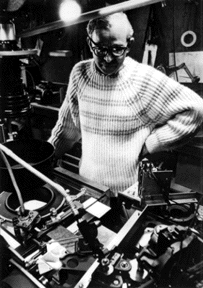
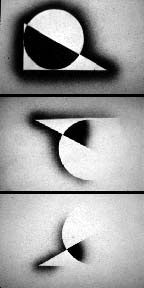
Digital Art is distinct from computer art, but the early history of both technological art forms derive back to the same origins. The 1960s were a particularly important decade in the history of Digital Art, as artists started experimenting with computers. John Hales Whitney, Sr a composer, inventor, and computer animator developed the world’s first computer-generated arts by using mathematical functions to transform his work into something visual.
A pioneer in computer animation. He operated one of the first computer-graphics engines. A mechanical analog computer built from surplus World War II anti-craft guidance hardware. The camera shown in the upper left corner aims toward the light of the apparatus and paints the film with light.
Whitney made two dozen animation films in 8mm. A time-lapse of the eclipse, and several drawn variations in 16mm the film exercise.
E.A.T(Experiments in Art and Technology)
Engineers Billy Kluver, Fred Waldhaven, and artists Robert Rauschenberg, and Robert Whiteman organized a group called EAT, (Experiments in Art and Technology). Their goals were on doing a series of installation and performances. It involved the usage of electronic innovation systems. Video projection, sound transmission, and Doppler Sonar. It created a new expression of art.
Continue reading “Evolution: The Arts and Technology”This is an example post, originally published as part of Blogging University. Enroll in one of our ten programs, and start your blog right.
You’re going to publish a post today. Don’t worry about how your blog looks. Don’t worry if you haven’t given it a name yet, or you’re feeling overwhelmed. Just click the “New Post” button, and tell us why you’re here.
Why do this?
The post can be short or long, a personal intro to your life or a bloggy mission statement, a manifesto for the future or a simple outline of your the types of things you hope to publish.
To help you get started, here are a few questions:
You’re not locked into any of this; one of the wonderful things about blogs is how they constantly evolve as we learn, grow, and interact with one another — but it’s good to know where and why you started, and articulating your goals may just give you a few other post ideas.
Can’t think how to get started? Just write the first thing that pops into your head. Anne Lamott, author of a book on writing we love, says that you need to give yourself permission to write a “crappy first draft”. Anne makes a great point — just start writing, and worry about editing it later.
When you’re ready to publish, give your post three to five tags that describe your blog’s focus — writing, photography, fiction, parenting, food, cars, movies, sports, whatever. These tags will help others who care about your topics find you in the Reader. Make sure one of the tags is “zerotohero,” so other new bloggers can find you, too.

 Yolanda’s Blogs